Paul Doe is a good friend of the Seaside Heritage Network, having been our special guest at the Weston-super-Mare Big Day Out where he talked about his book From a Bag of Chips to Cod Confit.
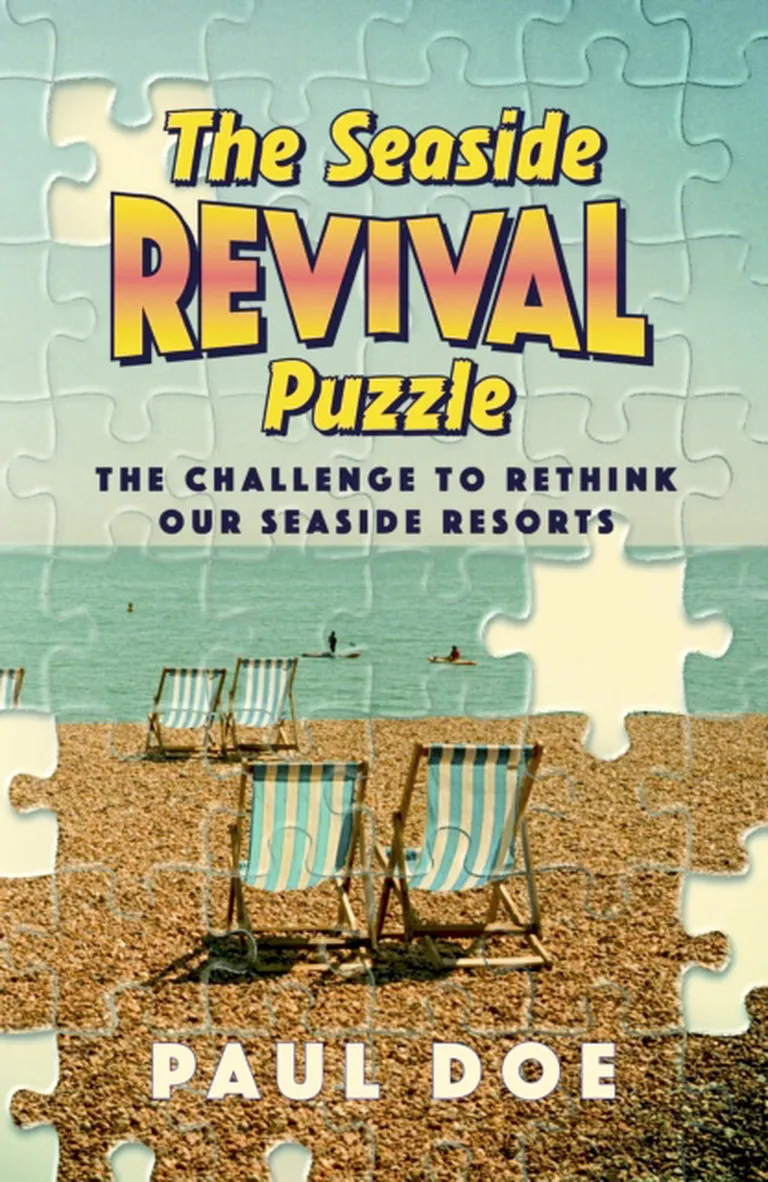
The Seaside Revival Puzzle (Conrad Press, 2026) is Paul's second book about the seaside. Whilst acknowledging (without lingering on) the problems that seaside resorts face, this isn't the familiar story of gloom and decline. Instead, the author focuses on the revival of our seaside resorts - the term "revival" is deliberately used instead of "regeneration" to allow those resorts that are already on the up to be included.
Seaside revival
The Seaside Revival Puzzle focuses on what is happening (and what has happened recently) in 18 resorts. These range from those at an early stage of their revival journey (such as Rhyl) to those which have reached "peak revival" (Southwold, Lyme Regis), taking in along the way those that are currently undergoing revival (Margate, Whitstable, Eastbourne, Bexhill, Bognor Regis, Littlehampton, Great Yarmouth, Torquay, Barry, Aberystwyth, Worthing, Bournemouth and New Brighton).
Throughout the book, Paul Doe seeks to pinpoint what he thinks are the key pieces of the revival puzzle. There is no universal solution, and different strategies have worked in different places.
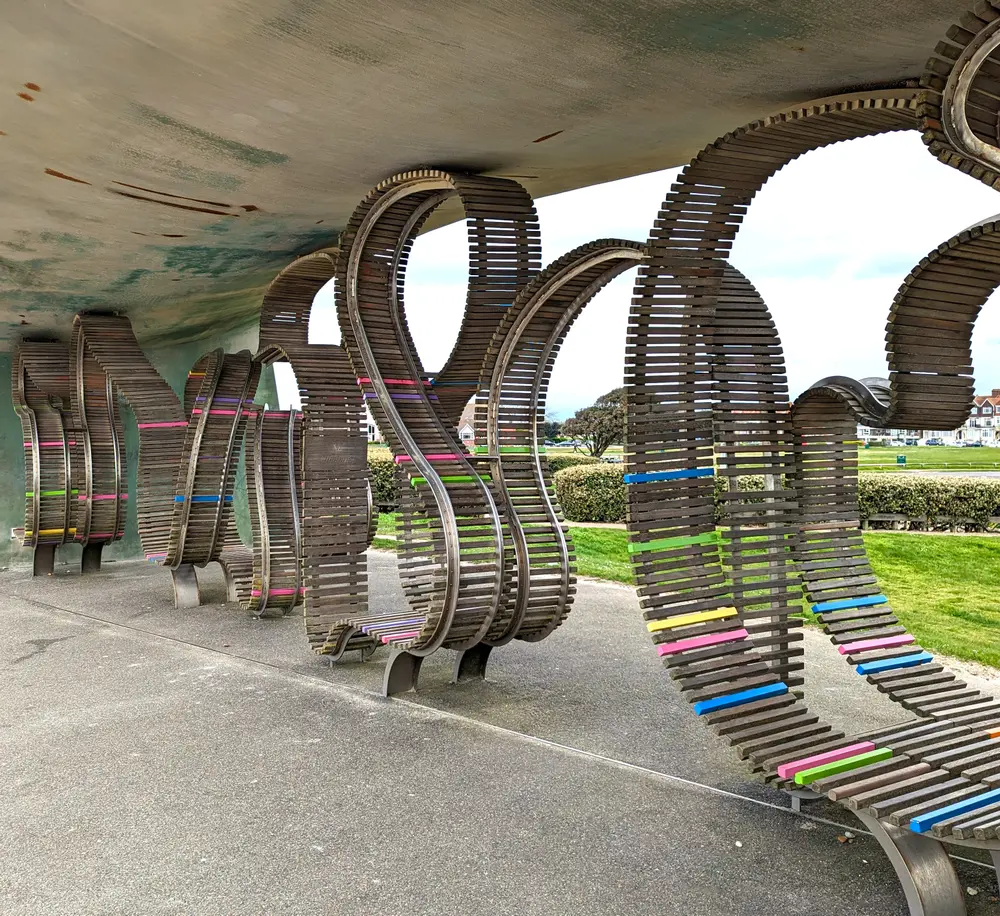
In some towns, art and creativity have driven revival; in others, the performing arts and new theatres have played a key role. Seaside heritage and good museums can be powerful assets; but so too can new architecture (although the author laments the poor quality of some recent seaside developments). The provision of good food and drink is important in changing perceptions of seaside towns.
Literary, TV and cinema connections can all be leveraged to attract visitors. Education can also have a big impact, particularly in those seaside places fortunate to have a university and large student population. Festivals and events are important in some places, while conference and exhibition centres play a key role elsewhere. Even those developments that are sometimes maligned – such as marinas or holiday parks – can make a significant contribution to both the economy and the image of seaside towns. And the author argues that the much-criticised proliferation of second homes (in some places) has a beneficial role since it leads to the upgrading and refurbishment of older buildings.
Fitting the pieces of the revival puzzle together
In the final chapter, Paul Doe seeks to bring together all the pieces of the seaside revival puzzle. He notes that these are underpinned by the importance of moving with the times and not attempting to recreate the glories of yesteryear. As such, resorts need to focus on being good places to live, work and learn, which means that local authorities need to focus on more than just the visitor economy.
Seaside towns also need a "big draw" - whether based on heritage, museums, art, culture, creativity, or events - that will bring people to visit them. Private and public investment are critical - and the author notes the significance of many entrepreneurs and philanthropists in bringing ideas and innovation to 'their' resorts, both in the past and at the current time. The public sector also has a role to play in the provision of infrastructure and sea defence or coastal protection projects.
Paul ends by arguing that it is time for seaside towns to take advantage of the opportunity to levy a local tourist tax: he argues that it would be unlikely to hammer the hospitality sector in seaside towns (as is sometimes claimed) and could raise important funds for wider revival projects.
Overall, this is a well-researched, engaging and enjoyable read and is particularly welcome for its optimistic portrayal of our seaside resorts. It is a welcome antidote to some of the relentlessly negative accounts of the British seaside that have appeared in recent years. We hope that Paul will continue to write about the seaside – in which case we look forward to his next book.