
:format(webp))
The UK government had long avoided involvement in policy for the tourism sector, instead regarding tourism as something best left to the private sector. It was not until the 1980s that, in a time of deindustrialisation and rising unemployment, tourism became explicitly associated with job creation. However, the main focus of this policy was former industrial areas and the impact on seaside towns was relatively limited.
Policy in the 1990s
After the election of Tony Blair’s New Labour government in 1997, the government started to intervene more directly in the tourism sector. In 1999 the Department for Culture, Media and Sport published a strategy entitled Tomorrow’s Tourism: A Growth Industry for the New Millennium (DCMS 1999). This set out a series of actions to reinvigorate the tourism sector and, for the first time, specifically addressed the challenges facing traditional seaside resorts.
The strategy noted that many resorts had been slow to respond to changing trends in holiday-making. It made various suggestions for revitalising these places, including the development of new products (such as short-break domestic holidays, or business tourism), along with a focus on niche markets, and the promotion of resorts as bases for exploring the surrounding areas.
Policy in the 2000s
The broad aspirations of Tomorrow’s Tourism were given more substance in a strategy entitled Sea Changes: Creating World Class Resorts in England published in 2001. This report noted the slow and often overlooked decline of seaside resorts but argued that many resorts had a viable future as long as they diversified their economy (to become less dependent on tourism) or sought to promote other forms of tourism to reduce reliance on the traditional ‘bucket and spade’ beach holiday.
Sea Changes also set out principles for seaside resort regeneration, noting that the private sector was unlikely to take the lead so that public sector action and investment was necessary. As such, the report argued for close cooperation between the public and private sectors, with all public organisations involved in regeneration (including the recently-created Regional Development Agencies) turning their attention to seaside towns.
There followed a flurry of regeneration projects in seaside resorts. For example, the North West Regional Development Agency invested £200 million in coastal places, while £86 million was invested by the East of England RDA. Other funds were awarded from the Single Regeneration budget; the Neighbourhood Renewal Fund; the Working Neighbourhoods Fund; the New Deal for Communities; and the Seaside Town Grant (Department for Communities and Local Government 2010).
Various other state agencies also took a role in promoting new forms of tourism in seaside resorts. For example, English Heritage published various reports in the 2000s highlighting the role that heritage and heritage tourism could play in reviving seaside towns. This included the publication of a series of guides to the architecture and townscape of England’s seaside towns in which Dr Allan Brodie, one of the trustees of the Seaside Heritage Network, played a leading role.
A further source of support was the Heritage Lottery Fund which, up to this time, had largely focused on supporting high cultural initiatives. New Labour sought to broaden the scope of the Fund’s support, and consequently seaside towns benefitted from major funding support for individual projects. Examples include Hastings Pier, the Dreamland amusement park in Margate, and Blackpool’s Museum of Fun and Entertainment (now called Showtown).
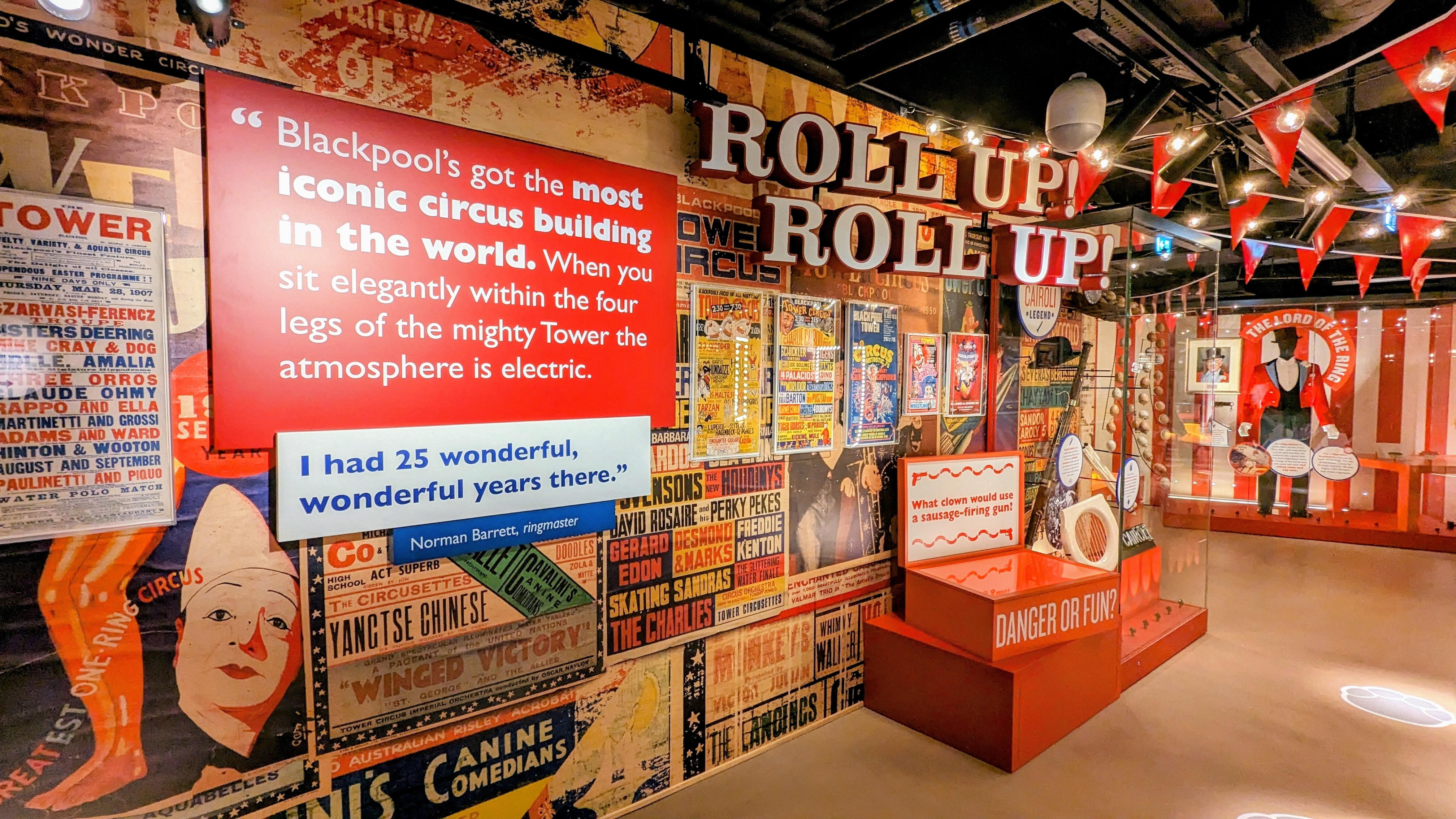
Did all these policy initiatives have any impact on seaside towns? Certainly some towns and some buildings benefitted. Nevertheless, a government report in 2007 noted that funding was inadequate to address the challenge facing seaside towns, and the disparate “cocktail” of funding sources created additional complexity and delay. In response, the UK government rejected the call for a funding stream specifically dedicated to seaside towns but did acknowledge that more action was required.
In 2007 the Department for Communities and Local Government and the Department for Culture, Media and Sport launched Sea Change which allocated additional funding for seaside towns (to be allocated to local authorities). The focus was increasingly on cultural and artistic projects at the seaside, using culture as a driver for resort regeneration. During its lifetime, this project funded 34 projects in 31 coastal towns. A formal evaluation of the project recorded that Sea Change had been a success in creating jobs (both directly and indirectly) along with generating matched public sector funding.
Policy in the 2010s
The Coalition government that took power in 2010 had one policy priority: reducing the government deficit that had built up following the 2008 financial crash. This new era of austerity saw drastic reductions in public spending. The Regional Development Agencies were an early casualty, being abolished in 2012.
A new tourism policy, intended to boost the tourism sector, was published in 2011, but largely focused on creating the conditions for the private sector tourism industry to thrive. Although regeneration now had a much lower priority, the Coalition Government accepted that seaside towns were a special case.
Consequently, the Coastal Communities Fund was launched in 2011 (funded by the revenue generated from the Crown Estate’s marine assets). Coastal Communities funding was intended to support coastal towns to make use of their natural, social, economic and cultural assets to promote economic growth and job creation. In the 2012-2019 period, the Coastal Communities Fund invested £182 million in 178 projects in England. Many of these projects had a significant local impact, although a House of Lords report argued that the Fund favoured larger communities and larger strategic partnerships, at the expense of smaller initiatives.
A further funding stream specifically for coastal resorts was announced in February 2015. The Coastal Revival Fund (with which SHN trustee Dr Anya Chapman was involved) focused on supporting the refurbishment of historic buildings in seaside towns that were important to local communities and which had the potential to create new businesses or jobs. This fund provided more than £7.5 million for the support of 184 projects in seaside towns.
The new Conservative government elected in 2019 under the leadership of Boris Johnson had a new core focus: Levelling Up. This targeted communities that felt left behind: such communities had often supported Brexit and elected a Conservative MP for the first time in 2019. Many seaside towns fell into these categories.
Levelling Up was intended to boost productivity, incomes, jobs and living standards through supporting the growth of the private sector. It specifically identified seaside towns as needing particular support and announced specific measures to help such places. Ultimately, however, the scale of Levelling Up meant that seaside resorts were just one among a wide range of deserving applicants for funding.
Competition for Levelling Up funds was intense, and seaside towns could no longer rely on a dedicated, targeted funding stream.
The first round of levelling up funding awarded £4.8 billion to 104 projects, but only 5 were in coastal towns. Despite plenty of talk, Levelling Up had a limited impact on seaside towns.
Policy in the 2020s
Since the election of the Labour government in 2024, the policy focus has been on addressing the cost-of-living crisis and the housing crisis. There have been no specific policies or new funding streams for seaside towns.
The new focus of Andy Burnham to devolve power to local authorities may allow for targeted investment in seaside resorts. However, many such places are part of larger local authorities which may have a wide range of other priorities for funding. The government’s decision to allow local mayors to introduce an Overnight Visitor Levy, often referred to as a 'tourist tax', may benefit some larger towns at the coast, but many smaller places are unlikely to implement it to avoid deterring visitors during the prolonged cost-of-living crisis.
In short, the story of government intervention to support seaside towns is one of inconsistent policies and - unsurprisingly - insufficient funding.
